
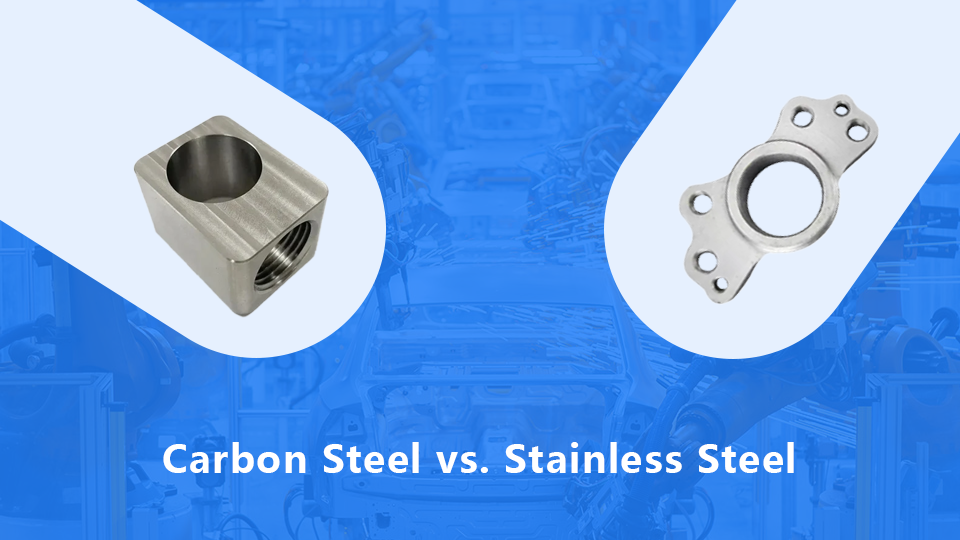
Carbon Steel vs Stainless Steel: Learn Their Differences in Properties?
Confused about carbon steel vs stainless steel? Learn the key differences in strength, corrosion resistance, cost, and best uses to make the right choice.
Confused about carbon steel vs stainless steel? Learn the key differences in strength, corrosion resistance, cost, and best uses to make the right choice.
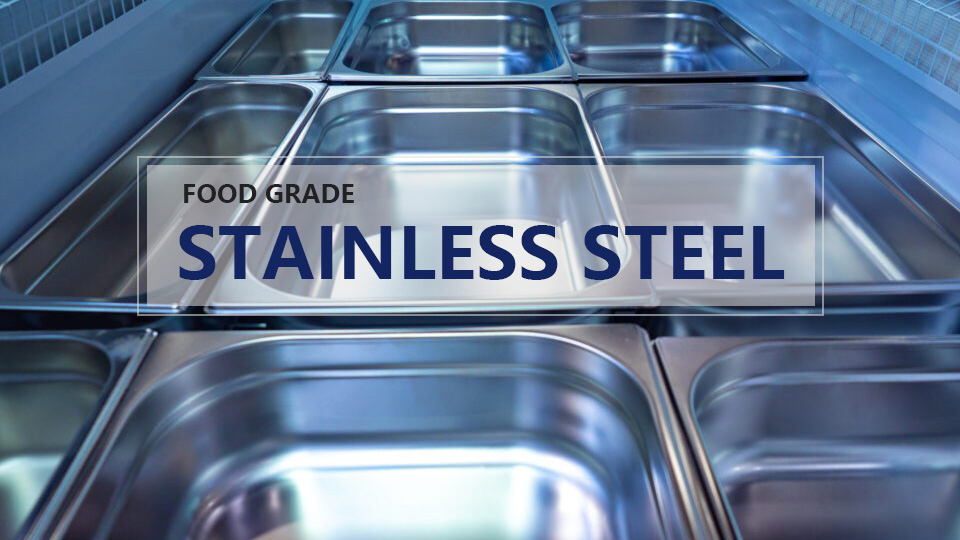
Food-grade stainless steel has the basic properties of stainless steel, such as corrosion resistance and rust prevention, while also ensuring that no harmful substances are released when it contact with food.

Weathering steel is a low-alloy, high-strength steel that incorporates small amounts of alloying elements to enhance its resistance to corrosion in atmospheric conditions.
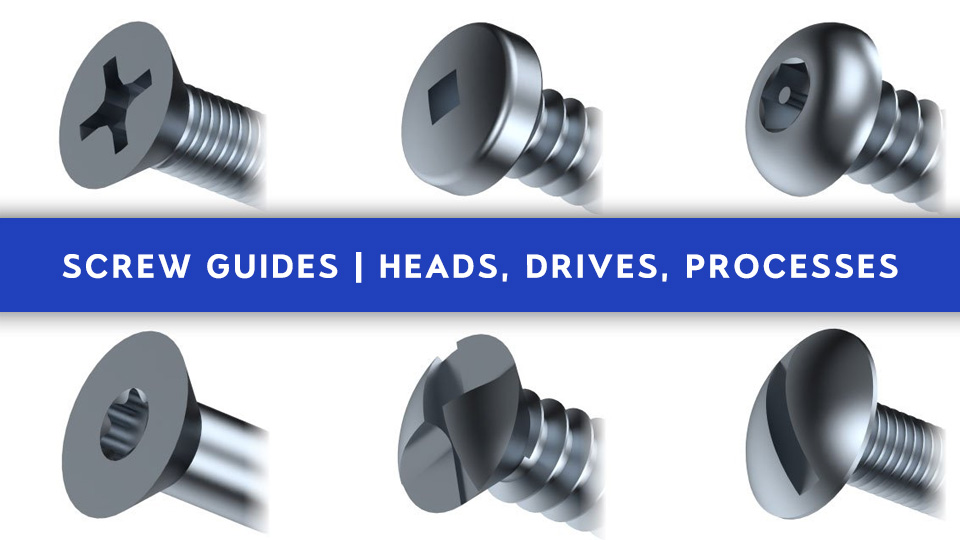
A screw is a small cylindrical or conical metal rod with threads, featuring a slotted head that can be used independently.
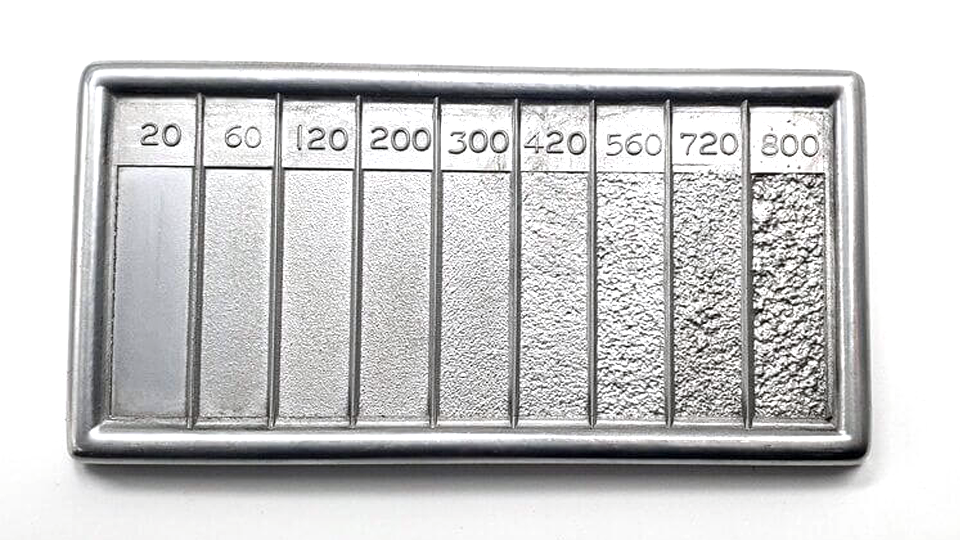
Surface roughness (Ra) is the measure in micrometers of the microscopic peaks and valleys in the surfaces of materials.

andblasting uses compressed air to blast tiny particles at high speeds onto a part’s surface. It is used for cleaning, roughening, removing rust, or stripping paint.
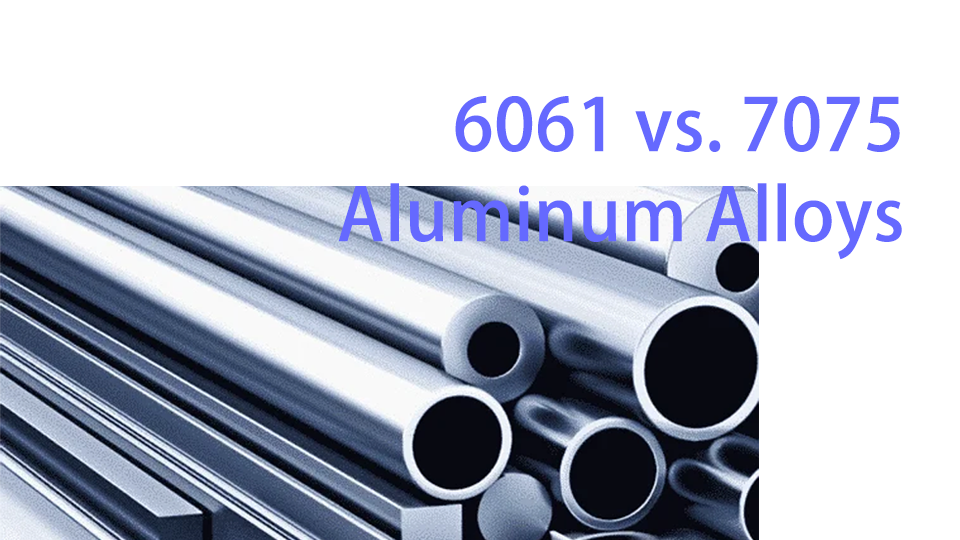
Aluminum alloys like 6061 and 7075 are essential materials for modern machines. 6061 has easy bending capabilities, high degrees of corrosion resistance, and weldability for general use. 7075 offers nearly twice the strength but is limited to certain uses such as aircraft and race cars due to its reduced corrosion resistance and poor welding characteristics.
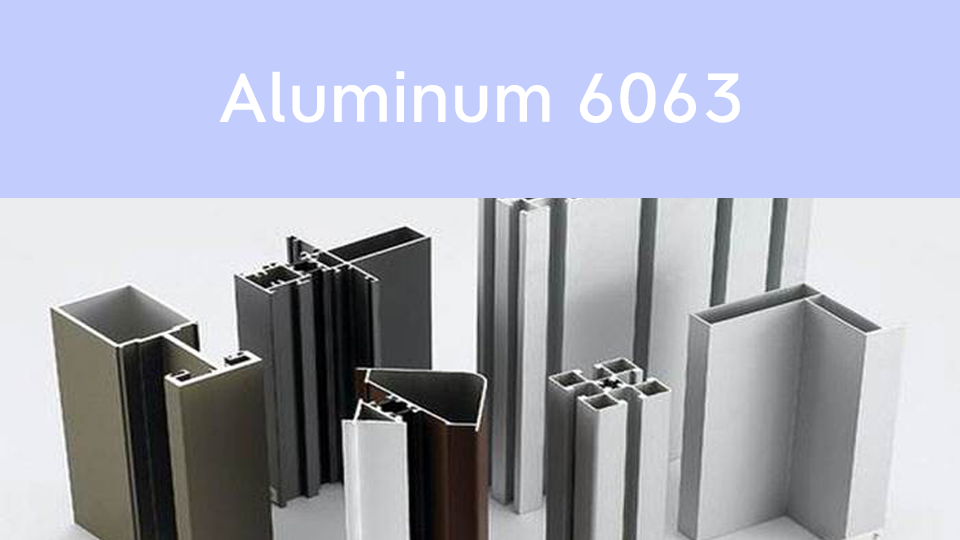
Aluminum alloy 6063 is one of 6xxx series aluminum alloys with excellent mechanical properties, corrosion resistance, and ease of fabrication.
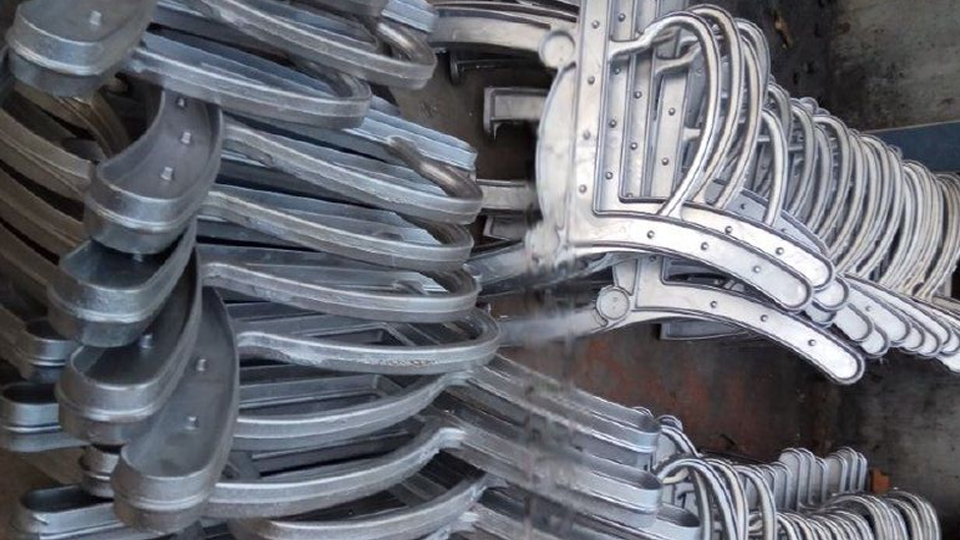
Cast aluminum alloys are aluminum-based alloys made into shape by some kind of casting process.

Address:
Room 101-117(the entire 1st floor), 2nd Building,
Tianxin Industrial Zone, Guxing Community, Xi’xiang Street,
Bao’an District, Shenzhen, China. 518126
 English
  Russian
  French
  German
  Japanese
  Spanish