
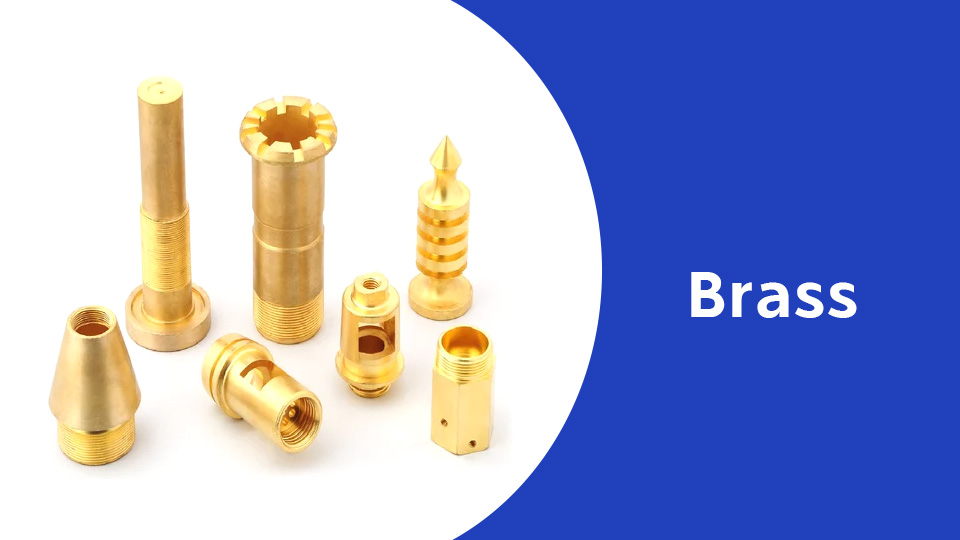
Major Properties of Brass You Need to Know Before Machining
We will provide a comprehensive overview of the major properties of brass to help readers understand this essential engineering material.
We will provide a comprehensive overview of the major properties of brass to help readers understand this essential engineering material.
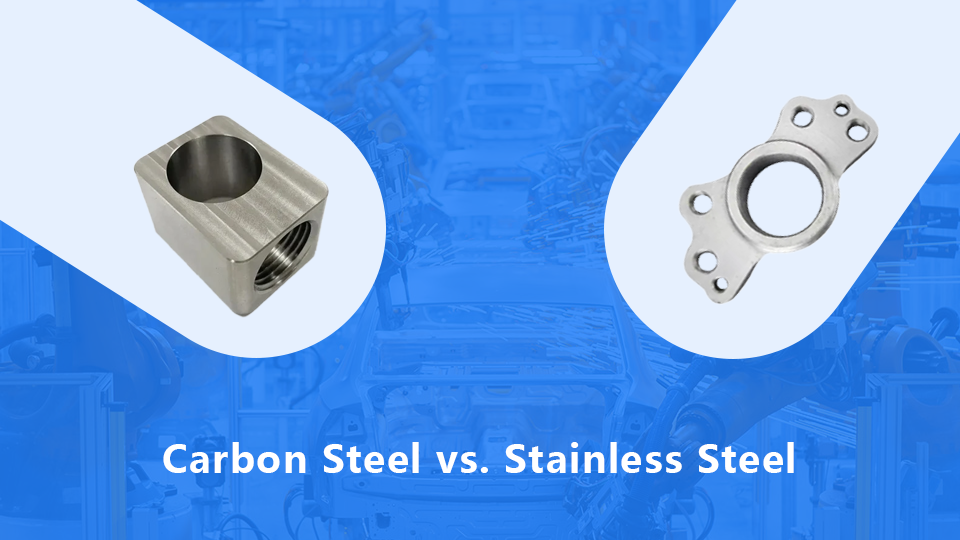
Confused about carbon steel vs stainless steel? Learn the key differences in strength, corrosion resistance, cost, and best uses to make the right choice.
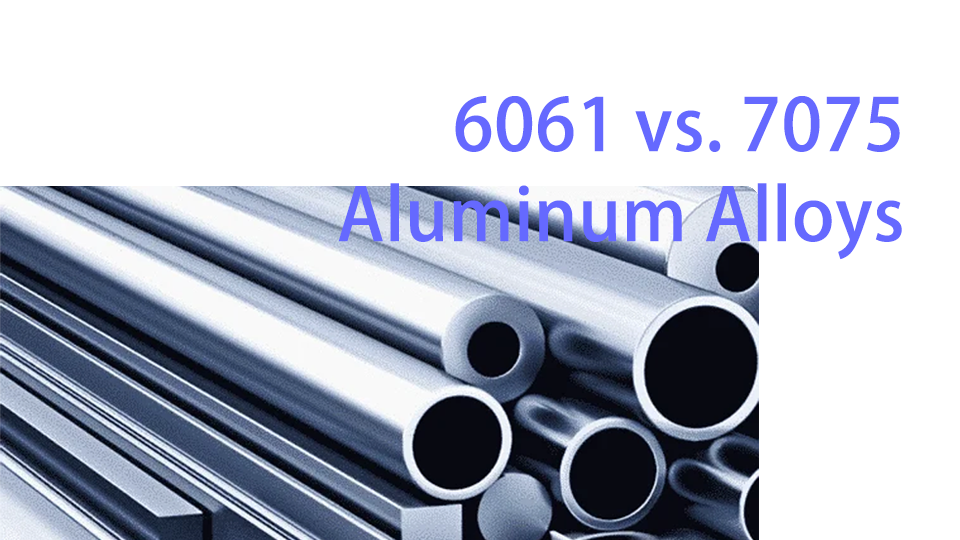
Aluminum alloys like 6061 and 7075 are essential materials for modern machines. 6061 has easy bending capabilities, high degrees of corrosion resistance, and weldability for general use. 7075 offers nearly twice the strength but is limited to certain uses such as aircraft and race cars due to its reduced corrosion resistance and poor welding characteristics.
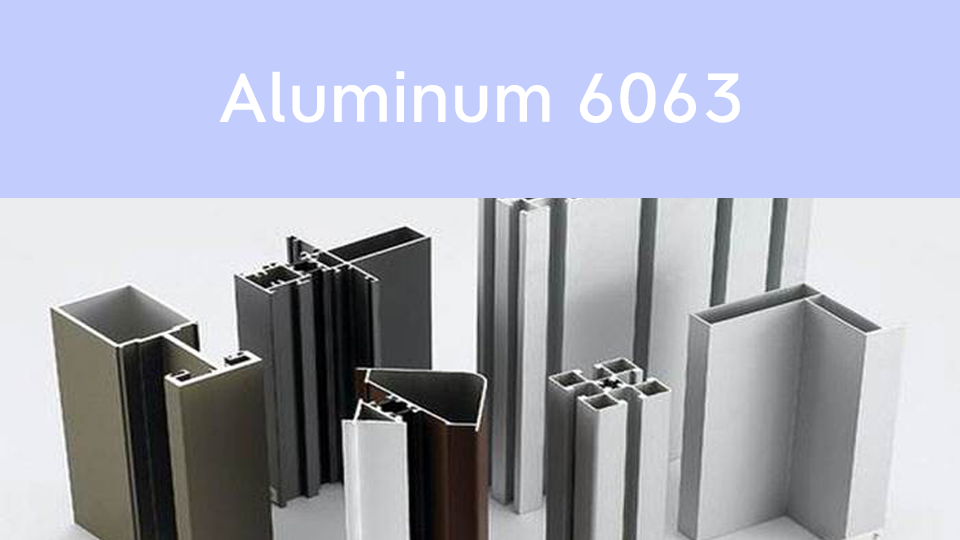
Aluminum alloy 6063 is one of 6xxx series aluminum alloys with excellent mechanical properties, corrosion resistance, and ease of fabrication.
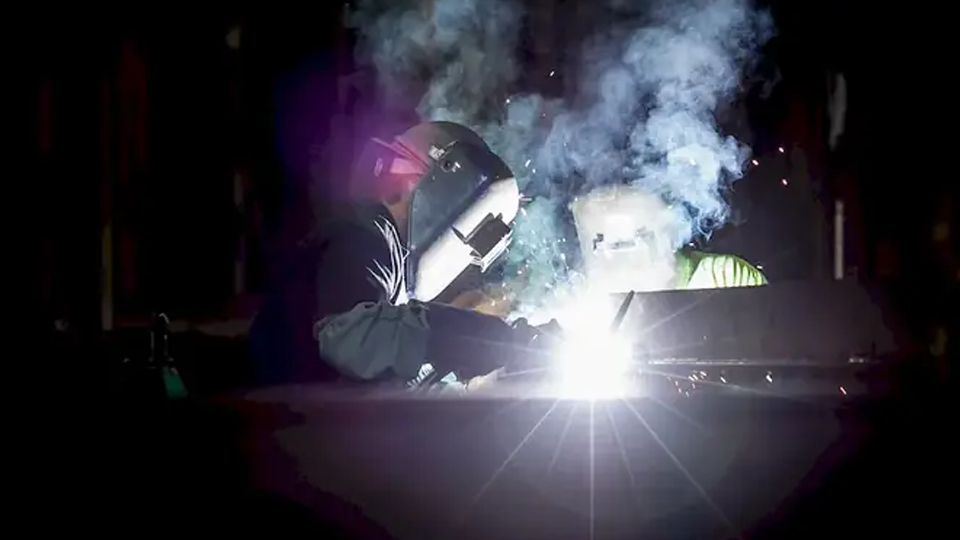
Metal Active Gas (MAG) welding is a versatile and widely used welding process that combines the benefits of Gas Metal Arc Welding (GMAW) with the use of an active shielding gas. This guide aims to provide a comprehensive overview of MAG welding, covering its fundamental concepts, key knowledge areas, and practical applications. Whether you are
Tolerances are critical to ensure that parts meet design specifications and can be assembled properly. To help you better understand this concept, here is an adapted part manufacturing case. Suppose you are manufacturing 50 solid cylindrical shafts with a diameter of 50mm and a length of 100mm. These shafts are intended to fit into another
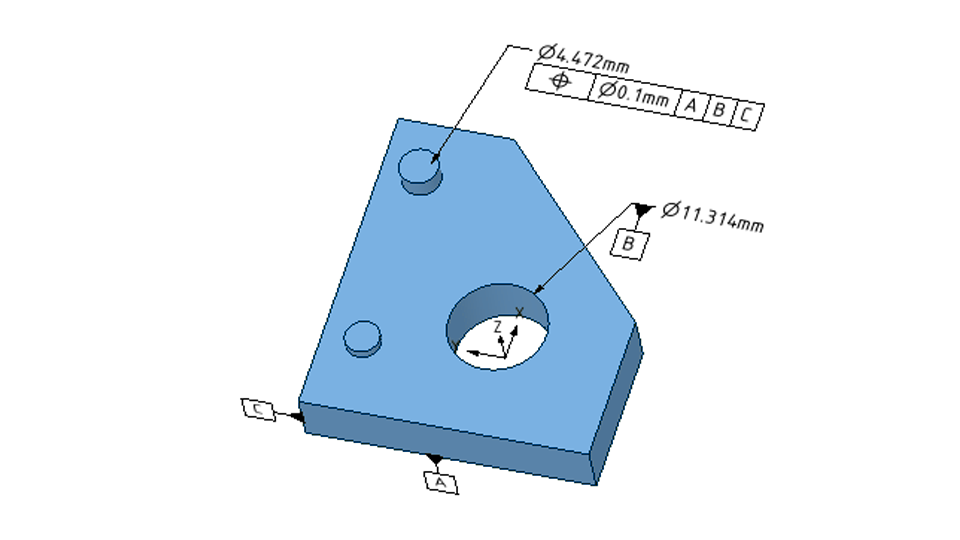
Engineering tolerances define the acceptable limits of variation of physical dimensions, shapes, or properties of a component. These tolerances ensure that parts fit and function properly in an assembly and that the final product meets the specified requirements.
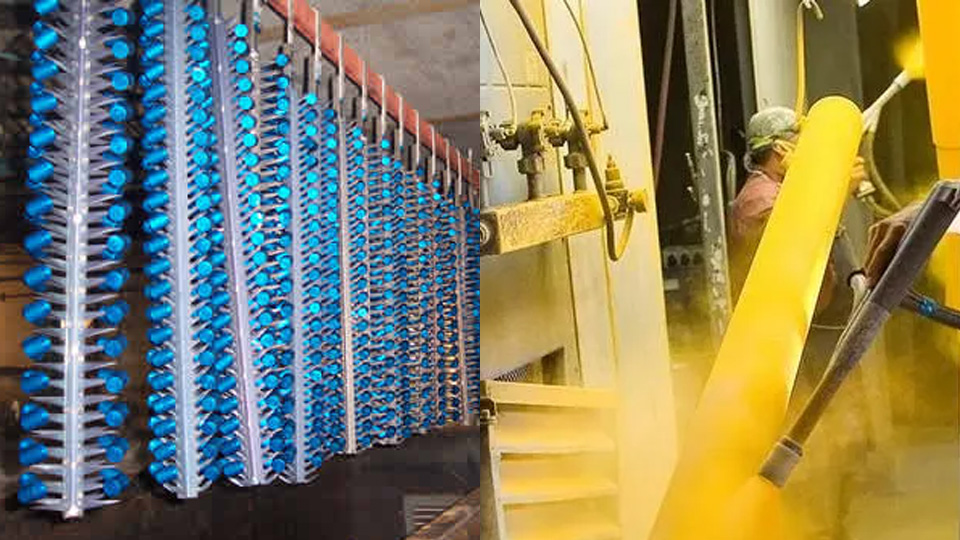
When talking about the finishing of metal parts, two of the common surface treatments discussed will be powder coating and anodizing. Both processes provide critical benefits such as corrosion resistance, durability, and aesthetic appeal, but they achieve these in very different ways.
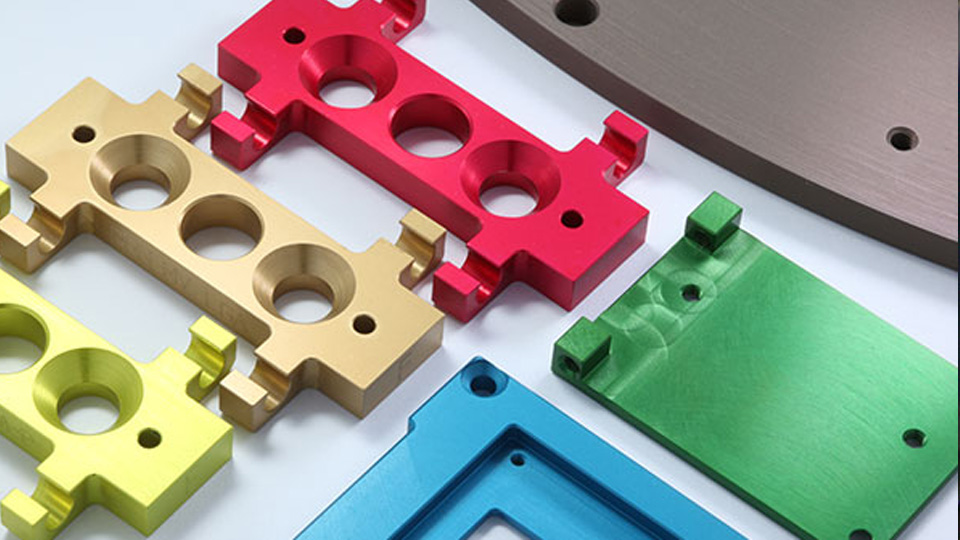
Type II and Type III are two classes of anodizing process. Anodizing is an electrochemical process used to increase the thickness of the natural oxide layer on parts made of metals like aluminum and titanium.

Address:
Room 101-117(the entire 1st floor), 2nd Building,
Tianxin Industrial Zone, Guxing Community, Xi’xiang Street,
Bao’an District, Shenzhen, China. 518126
 English
  Russian
  French
  German
  Japanese
  Spanish